



PDE3
Phosphodiesterase 3 (PDE3) is a dual-substrate cyclic nucleotide phosphodiesterase that hydrolyzes both cAMP and cGMP and serves as a key regulator of intracellular cyclic nucleotide signaling pathways controlling cardiovascular and metabolic function[1][2]. PDE3-mediated regulation of cAMP signaling influences cardiac contractility, vascular smooth muscle tone, platelet activity, energy homeostasis, and insulin-responsive metabolic processes, thereby linking second-messenger turnover to diverse physiological responses[1][2][3]. Mechanistically, PDE3 enzymes display high affinity for both cyclic nucleotides but preferentially hydrolyze cAMP, while cGMP acts as a competitive inhibitor of cAMP degradation, creating functional cAMP-cGMP signaling crosstalk[1]. In disease-relevant systems, altered PDE3 signaling has been implicated in heart failure, ischemia-reperfusion injury, obesity-associated metabolic dysregulation, and abnormal insulin secretion, making PDE3 an important experimental target in cardiovascular and metabolic research[2][3][4]. Compared with related isoforms, PDE3A is predominantly associated with cardiac myocytes, vascular tissues, platelets, and reproductive function, whereas PDE3B is enriched in adipocytes, hepatocytes, pancreatic β-cells, and other metabolic tissues where it mediates insulin-, IGF-1-, and leptin-responsive signaling pathways[1][2][3]. This isoform-specific distribution underlies distinct biological functions and supports the use of selective genetic or pharmacological approaches to dissect cardiovascular versus metabolic mechanisms[2][3][4]. For experimental applications, PDE3 inhibitors are widely used to enhance cAMP signaling and investigate cardiac contractility, platelet aggregation, vascular relaxation, and metabolic regulation in cellular and animal models[1][2].
Références:
- [1]. Murata T, et al. Phosphodiesterase 3 (PDE3): structure, localization and function. Cardiovasc Hematol Agents Med Chem. 2009 Jul;7(3):206-11. [Content Brief]
- [2]. Movsesian M, et al. Functions of PDE3 Isoforms in Cardiac Muscle. J Cardiovasc Dev Dis. 2018 Feb 6;5(1):10. [Content Brief]
- [3]. Degerman E, et al. From PDE3B to the regulation of energy homeostasis. Curr Opin Pharmacol. 2011 Dec;11(6):676-82. [Content Brief]
- [4]. Chung YW, et al. Targeted disruption of PDE3B, but not PDE3A, protects murine heart from ischemia/reperfusion injury. Proc Natl Acad Sci U S A. 2015 Apr 28;112(17):E2253-62. [Content Brief]
-
PDE3 Produits associés (93)
Produits associés (93)

-
IBMX
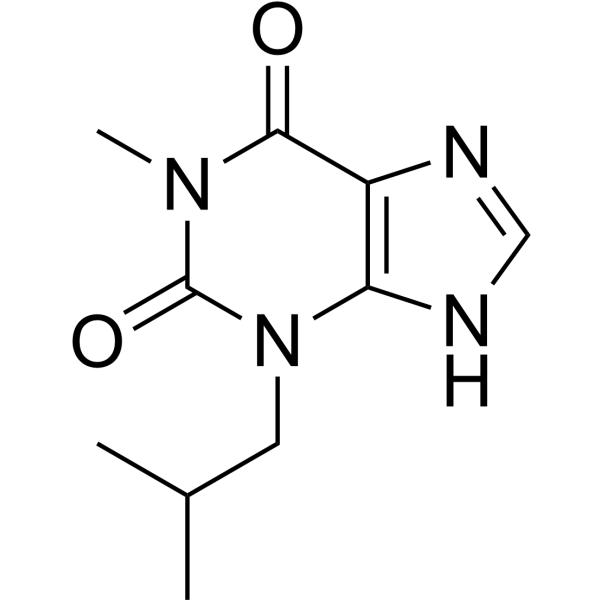 0 ImagesSynonyms: 3-Isobutyl-1-methylxanthine; IsobutylmethylxanthineIBMX is a broad-spectrum phosphodiesterase (PDE) inhibitor, with IC50s of 6.5, 26.3 and 31.7 μM for PDE3, PDE4 and PDE5, respectively.
-
Theophylline
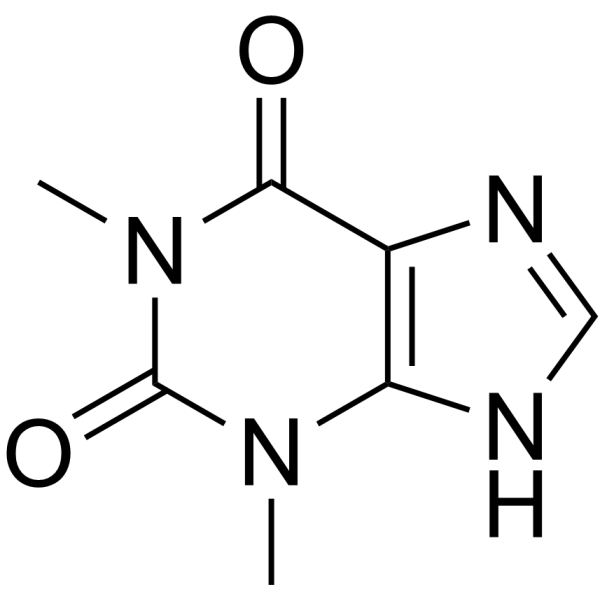 0 ImagesTheophylline (1,3-Dimethylxanthine) is a potent phosphodiesterase (PDE) inhibitor, adenosine receptor antagonist, and histone deacetylase (HDAC) activator. Theophylline (1,3-Dimethylxanthine) inhibits PDE3 activity to relax airway smooth muscle. Theophylline (1,3-Dimethylxanthine) has anti-inflammatory activity by increase IL-10 and inhibit NF-κB into the nucleus. Theophylline (1,3-Dimethylxanthine) induces apoptosis. Theophylline (1,3-Dimethylxanthine) can be used for asthma and chronic obstructive pulmonary disease (COPD) research.
-
Ensifentrine
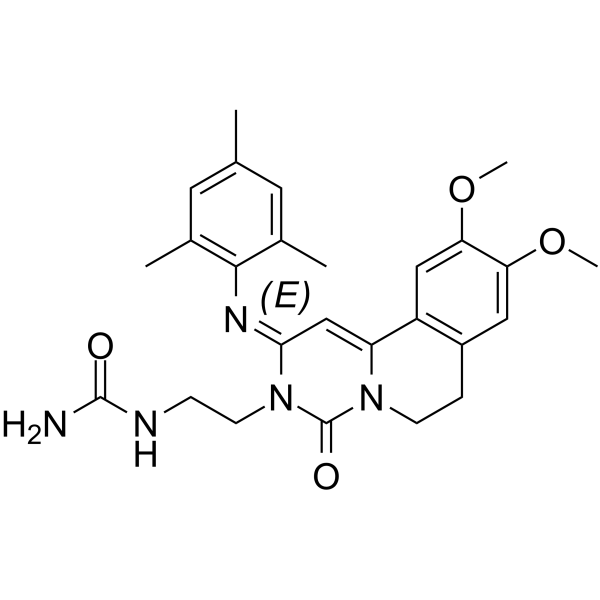 0 ImagesSynonyms: RPL-554Ensifentrine (RPL-554) is an inhaled dual inhibitor of PDE3 and PDE4 with IC50s of 0.4 nM and 1479 nM, respectively. Ensifentrine blocks PDE3 and PDE4 enzymes, thereby increasing the levels of cyclic adenosine monophosphate (cAMP) and cyclic guanosine monophosphate (cGMP) in lung cells, dilating the bronchi, and inhibiting the activation and migration of inflammatory cells. Ensifentrine can be used in the research of chronic obstructive pulmonary disease (COPD).
-
Aminophylline
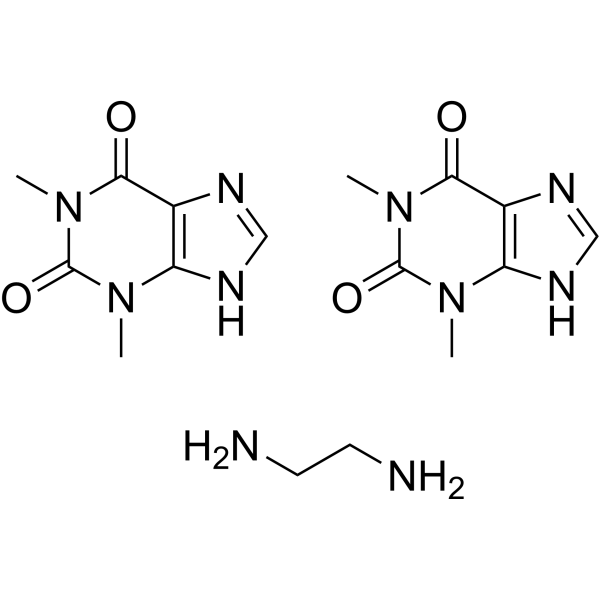 0 ImagesAminophylline is a competitive phosphodiesterase 3/4 (PDE3/4) inhibitor. Aminophylline also acts as an adenosine receptor antagonist. Aminophylline elevates intracellular cAMP levels via competitive inhibition of PDE3 and PDE4, antagonizes adenosine A1 receptor (ADORA1), regulates intracellular calcium signaling and synaptic vesicle cycling, upregulates the PPAR signaling pathway, and downregulates glutamatergic synaptic pathways simultaneously. Aminophylline can be used in research related to major depressive disorder, epilepsy, asthma, and chronic obstructive pulmonary disease (COPD).
-
Vardenafil hydrochloride
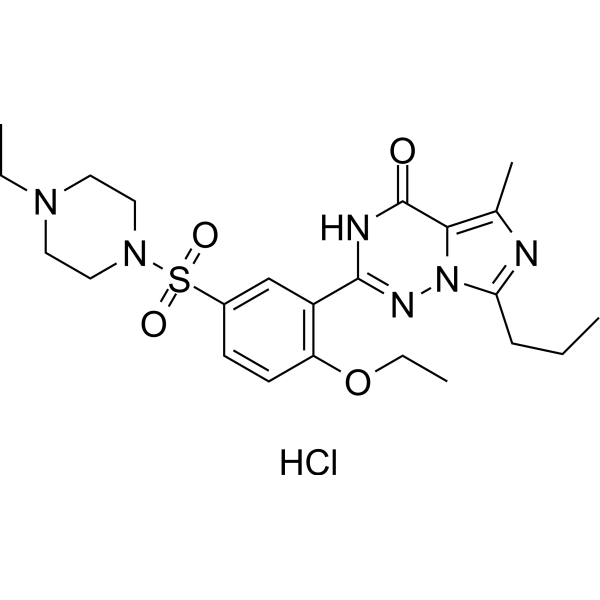 0 ImagesVardenafil hydrochloride is a selective and orally active inhibitor of phosphodiesterase-5 (PDE5), with an IC50 of 0.7 nM. Vardenafil hydrochloride shows inhibitory towards PDE1, PDE6 with IC50s of 180 nM, and 11 nM, while IC50s are >1000 nM for PDE3 and PDE4. Vardenafil hydrochloride competitively inhibits cyclic guanosine monophosphate (cGMP) hydrolysis and thus increases cGMP levels. Vardenafil hydrochloride can be used for the research of erectile dysfunction, hepatitis, diabetes[1]-[6].
-
Vardenafil
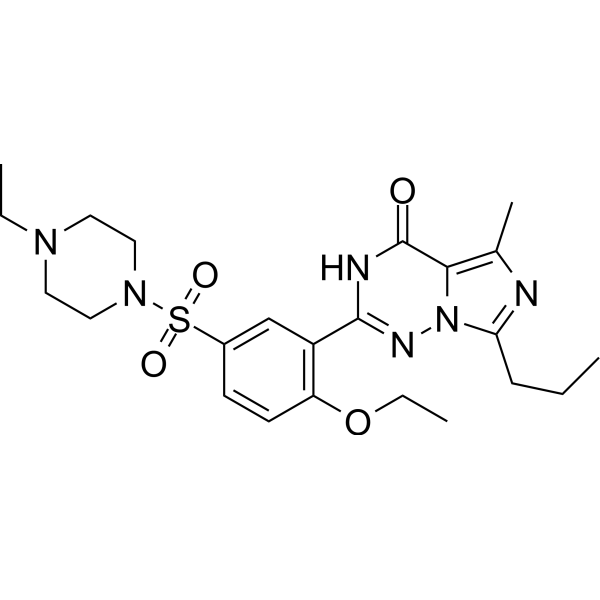 0 ImagesVardenafil is a selective and orally active inhibitor of phosphodiesterase-5 (PDE5), with an IC50 of 0.7 nM. Vardenafil shows inhibitory towards PDE1, PDE6 with IC50s of 180 nM, and 11 nM, while IC50s are >1000 nM for PDE3 and PDE4. Vardenafil competitively inhibits cyclic guanosine monophosphate (cGMP) hydrolysis and thus increases cGMP levels. Vardenafil can be used for the research of erectile dysfunction, hepatitis, diabetes[1]-[6].
-
Piclamilast
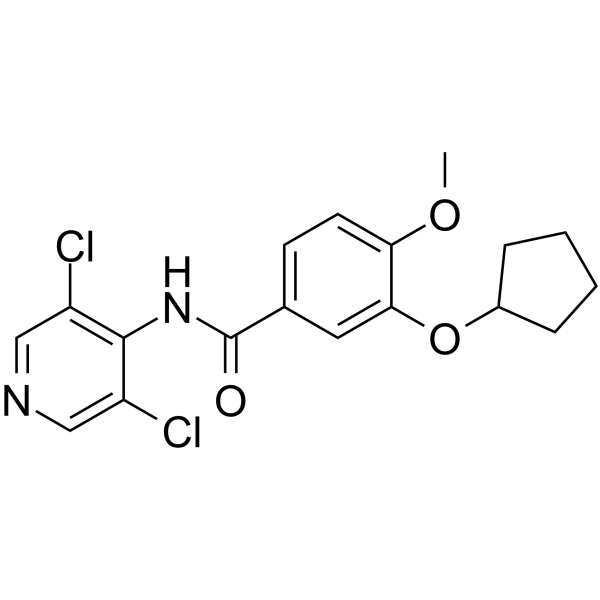 0 ImagesSynonyms: RP 73401; RPR 73401Piclamilast (RP 73401) is a phosphodiesterase 4 (PDE4) inhibitor, with IC50 values of 16 nM and 2 nM in pig aorta and eosinophil soluble, respectively.
-
BAY 2666605
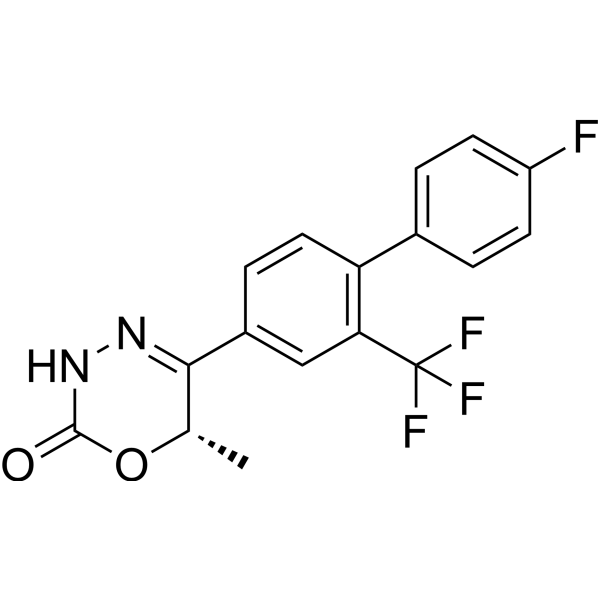 0 ImagesBAY 2666605 is an orally active PDE3A and PDE3B inhibitor with IC50s of 87 nM and 50 nM, respectively. BAY 2666605 is a PDE3A-SLFN12 complex inducer (WO2019025562A1; example 135).
-
Trequinsin hydrochloride
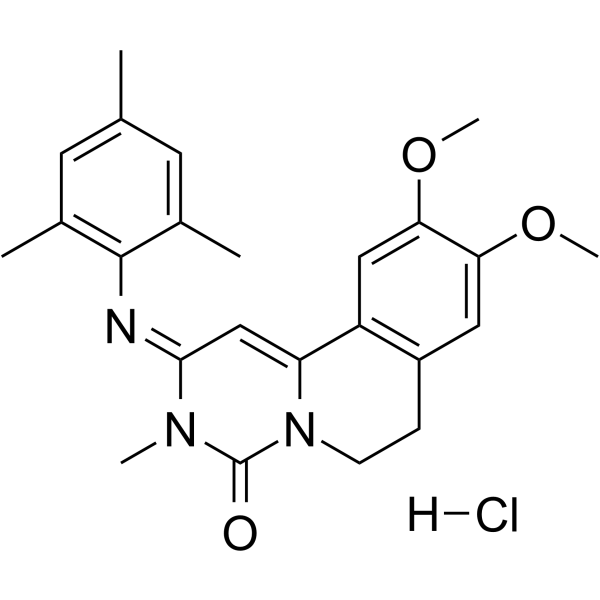 0 ImagesSynonyms: HL 725Trequinsin hydrochloride (HL 725) is a PDE inhibitor, CatSper channel activator, and sperm potassium channel modulator. Trequinsin hydrochloride targets PDE3 with an IC50 of <1 nM. Trequinsin hydrochloride enhances currents and elevates intracellular calcium and cGMP levels via direct activation of the CatSper channel, while inhibiting the outward current conductance of sperm potassium channels. Without inducing premature acrosome reaction, Trequinsin hydrochloride significantly enhances sperm hyperactivated motility, forward motility, and the ability to penetrate viscous media. Trequinsin hydrochloride exerts age-specific positive inotropic and positive lusitropic effects on rabbit ventricular papillary muscles. Trequinsin hydrochloride has been used in studies on the mechanisms underlying male infertility (e.g., asthenozoospermia).
-
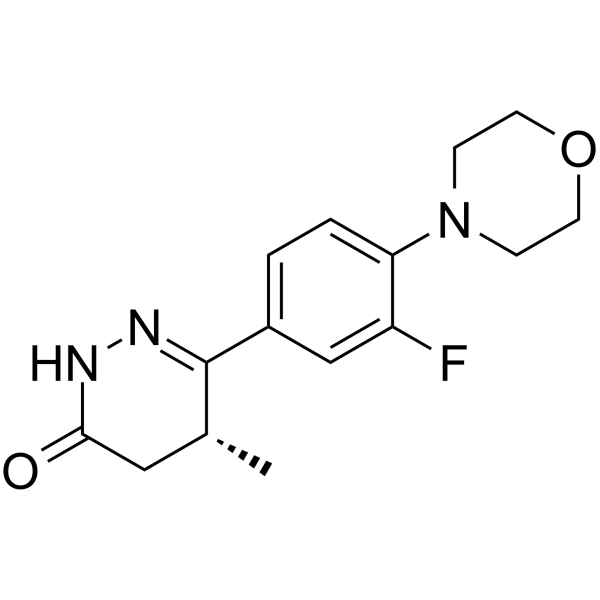
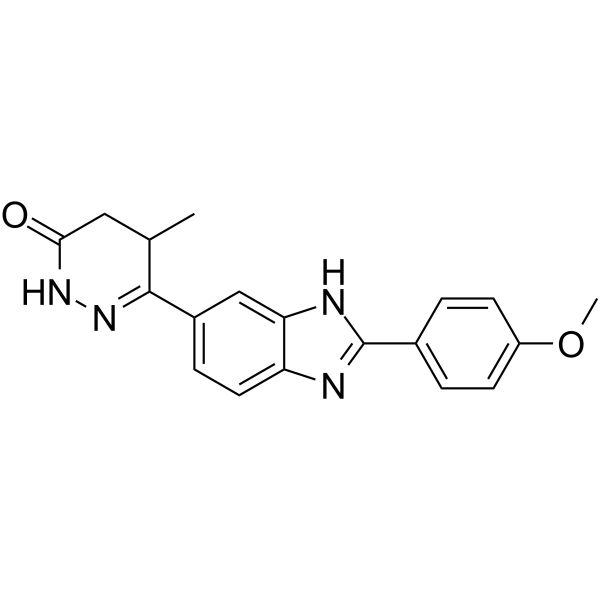
Fenspiride hydrochloride
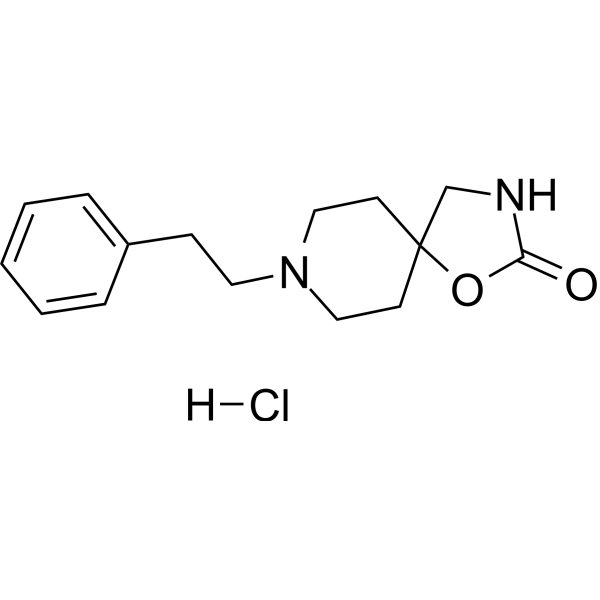 0 ImagesFenspiride, an orally active non-steroidal antiinflammatory agent, is an antagonist of H1-histamine receptor. Fenspiride inhibites phosphodiesterase 3 (PDE3), phosphodiesterase 4 (PDE4) and phosphodiesterase 5 (PDE5) activities with -log IC50 values of 3.44, 4.16 and approximately 3.8, respectively. Fenspiride can be used for the research of respiratory diseases.
-
DNMDP
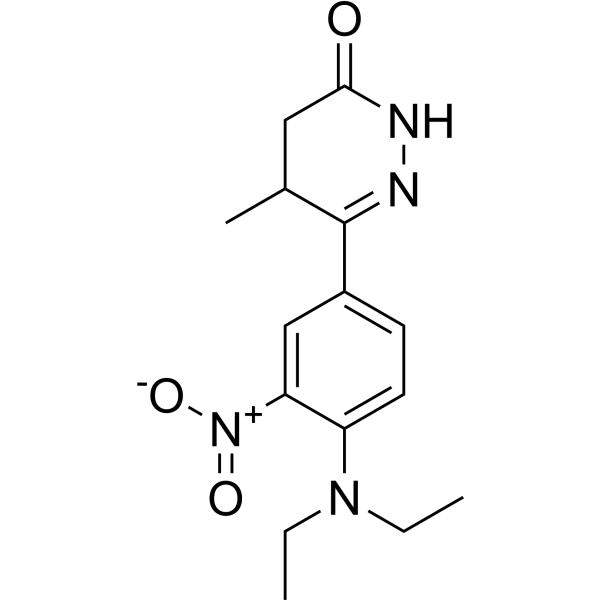 0 ImagesDNMDP, a phosphodiesterase 3A (PDE3A) inhibitor, is a potent and selective cancer cell cytotoxic agent. DNMDP binding to PDE3A promotes an interaction between PDE3A and Schlafen 12 (SLFN12). DNMDP shows clear cell-selective cytotoxicity.
-
Theophylline (Standard)
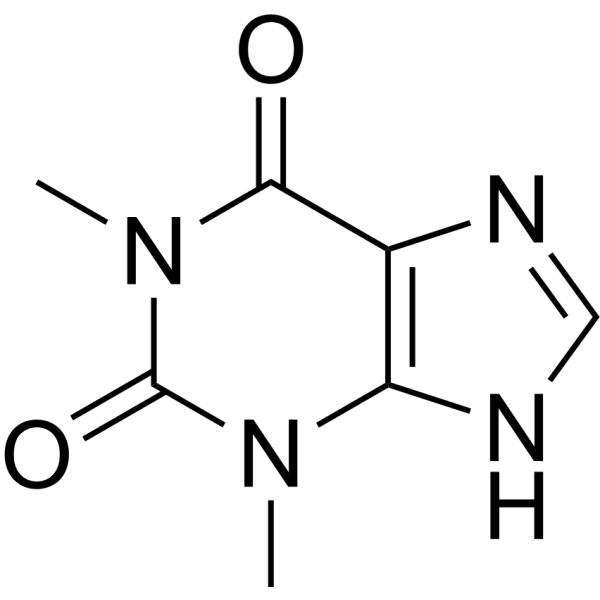 0 ImagesSynonyms: 1,3-Dimethylxanthine(Standard); Theo-24 (Standard)Theophylline (Standard) is the analytical standard of Theophylline. This product is intended for research and analytical applications. Theophylline (1,3-Dimethylxanthine) is a potent phosphodiesterase (PDE) inhibitor, adenosine receptor antagonist, and histone deacetylase (HDAC) activator. Theophylline (1,3-Dimethylxanthine) inhibits PDE3 activity to relax airway smooth muscle. Theophylline (1,3-Dimethylxanthine) has anti-inflammatory activity by increase IL-10 and inhibit NF-κB into the nucleus. Theophylline (1,3-Dimethylxanthine) induces apoptosis. Theophylline (1,3-Dimethylxanthine) can be used for asthma and chronic obstructive pulmonary disease (COPD) research.
-
Zardaverine
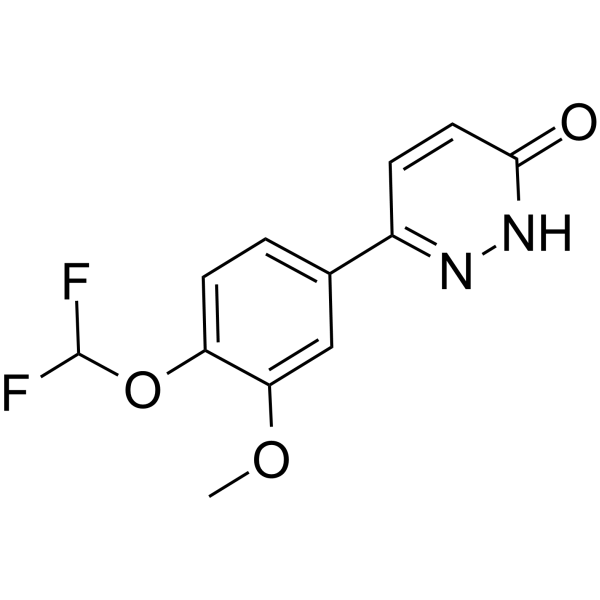 0 ImagesZardaverine is an orally active and selective PDE3/4 inhibitor (IC50)=0.58 uM/0.17 uM) with potent bronchodilator activity. Zardaverine also selectively inhibits the proliferation of HCC cells and induces apoptosis and cycle arrest (G0/G1 phase). Zardaverine has good antitumor potential and is effective in both bronchial relaxation and reduction of inflammation in asthma.
-
Sp-cAMPS sodium salt
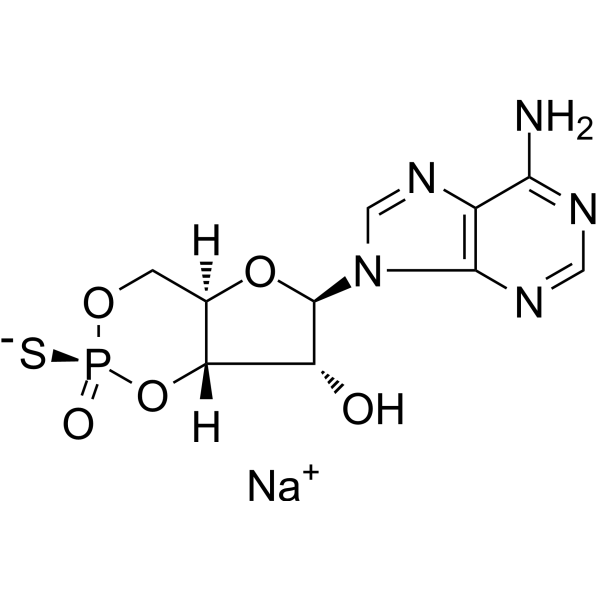 0 ImagesSp-cAMPS sodium salt, a cAMP analog, is potent activator of cAMP-dependent PKA I and PKA II. Sp-cAMPS sodium salt is also a potent, competitive phosphodiesterase (PDE3A) inhibitor with a Ki of 47.6 µM. Sp-cAMPS sodium salt binds the PDE10 GAF domain with an EC50 of 40 μM.
-
Enoximone
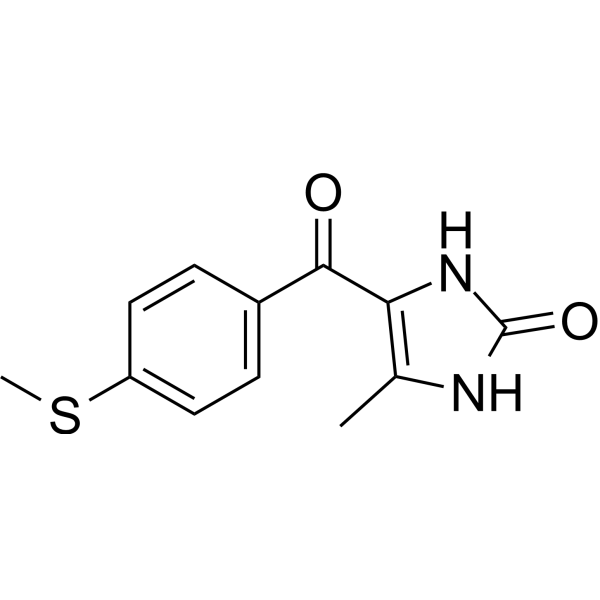 0 ImagesEnoximone is an inotropic vasodilating agent and a selective and orally active phosphodiesterase III (PDE3) inhibitor with an IC50 of 5.9 μM. Enoximone induces vasodilatation and increases intracellular levels of cAMP by inhibiting cGMP-inhibited PDE. Enoximone also exhibits PDE4 inhibitory effect with an IC50 of 21.1 μM for myocardial PDE4A. Enoximone has the potential for congestive heart failure research and has bronchodilatory, antiasthma and anti-inflammatory effects.
-
Olprinone
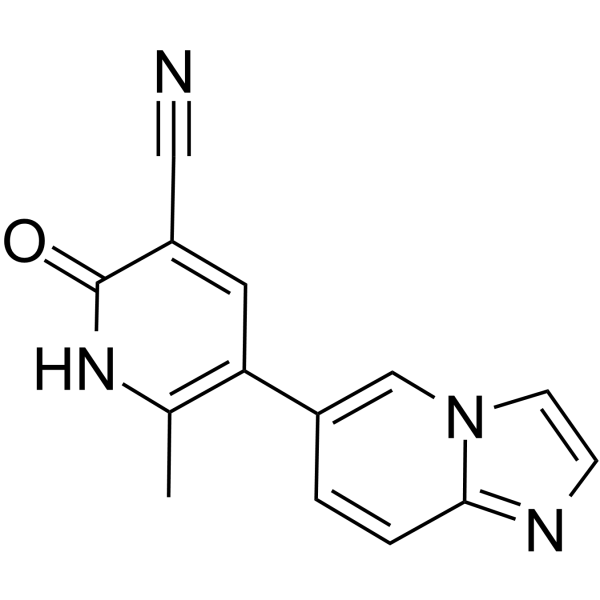 0 ImagesSynonyms: LoprinoneOlprinone (Loprinone) is a potent and selective phosphodiesterase 3 (PDE3) inhibitor, with IC50 values of 150, 100, 0.35, and 14 μM against PDE1, PDE2, PDE3, and PDE4, respectively. Olprinone exerts comprehensive protective effects including anti-inflammatory, antioxidant, and anti-apoptotic activities by elevating intracellular cAMP levels and inhibiting the NF-κB and MAPK signaling pathways. Olprinone can be used in studies related to lung injury, spinal cord injury, heart failure, myocardial ischemia-reperfusion injury, and cerebral ischemic injury.



